

Understanding the first century Christian church is essential for anyone seeking to grasp the roots of the Christian faith. The first 100 years of Christianity shaped doctrine, mission, leadership, and community identity in ways that continue to influence believers today. And while many modern perspectives romanticize or oversimplify this period, historical accuracy of early Christianity reveals a far more complex, resilient, and world-changing movement than most realize.
This article brings together historical scholarship, faith perspectives, and the unique cosmic lens presented in The Great Awakening: How GOD Reclaimed His Creation, offering a clear and reliable overview of Christianity in the first century.
What Did the First-Century Christian Church Actually Look Like?
Homes, Gatherings, and Leadership
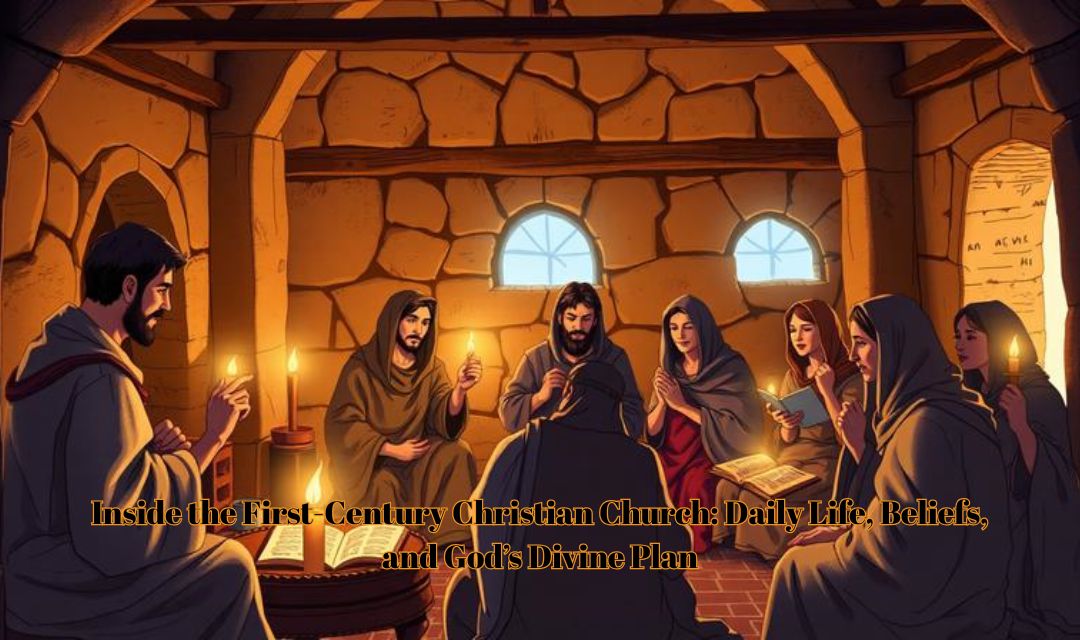
Unlike modern church buildings, the earliest Christian gatherings were intimate, informal, and deeply relational. Christians met in private homes, courtyards, or rented rooms because:
- Public worship spaces did not yet exist
- Christianity was not legally recognized
- Households were the natural center of ancient Mediterranean life
The structure of these gatherings typically included:
- Reading from Hebrew Scriptures
- Sharing teachings of Jesus passed down orally
- Prayer and communal singing
- The Lord’s Supper as a shared meal
- Mutual support for widows, orphans, and travelers
Leadership was not yet formalized. Early roles included:
- Apostles – eyewitnesses of Jesus
- Elders/Presbyters – spiritual guides
- Deacons – servants supporting community needs
- Teachers and evangelists – gifted believers recognized by local assemblies
Jewish-Christian Identity in Transition
During the first decades, followers of Jesus still saw themselves as Jews who believed the Messiah had come. This created a transitional, hybrid identity:
- They prayed in the Temple and synagogues
- They kept Jewish customs
- They saw the gospel as the fulfillment—not replacement—of Israel’s story
Only gradually did Christianity become a distinct movement, especially as Gentiles entered the faith in large numbers.
For more context on early beliefs, read “Books on Early Christianity: Understanding Early Christian Beliefs, History, and Women’s Role in the Faith.”
Christianity in the First Century: Separating Historical Accuracy from Myth
Understanding the historical accuracy of early Christianity requires careful evaluation of sources. Many myths—both secular and religious—misrepresent early Christian life.
What Sources Are Reliable?
Historians rely on multiple categories of evidence:
1. New Testament Writings
These are the earliest surviving documents, written within living memory of Jesus’ life.
2. Early Christian Fathers
Clement, Ignatius, Polycarp, and the Didache provide authentic snapshots of church practice and belief between AD 70–120.
3. Jewish and Roman Historians
- Josephus
- Tacitus
- Pliny the Younger
They confirm the existence, growth, and persecution of the early Christian movement.
4. Archaeological Evidence
House-church remains, inscriptions, burial practices, and artifacts support textual findings.
How Historians Evaluate Early Christian Documents
Modern scholarship assesses:
- Dating methods
- Linguistic style
- Manuscript reliability
- Cultural consistency
- External corroboration
Across these fields, the first 100 years of Christianity remain among the best documented eras of ancient religious history.
The Lives of Christians in the Early Church
Understanding the first century Christian church also requires appreciating the lived experience of believers.
Daily Struggles
Christians in the first century faced:
- Poverty
- Social exclusion
- Loss of status in Roman households
- Pressure from family and community
- Navigating Jewish-Roman tensions
Their faith came at a cost—economically, socially, and politically.
Community Values
Despite hardships, early Christians developed a powerful countercultural identity built on:
- Radical unity across ethnic and social lines
- Mutual support for the vulnerable
- Generosity and shared resources
- Commitment to moral purity
- Courage in witnessing the gospel
This moral strength is one reason the church grew so rapidly.
Role of Women, Families, and Lay Members
Women were essential in early Christianity:
- Hosting house churches
- Supporting missionary efforts
- Serving as patrons
- Teaching children and converts
Families, too, played a central role in passing on the faith.
Courage Under Persecution
Christians endured:
- Local hostility
- Accusations of disloyalty
- Sporadic Roman punishments
- Social discrimination
Yet they continued gathering, praying, and spreading the message of Christ—often at great personal risk.
Why the First 100 Years of Christianity Matter More Than We Realize
The first 100 years of Christianity form the foundation for everything that followed.
Crucial Developments
During this period:
- Core doctrines were established
- Gentile inclusion reshaped mission strategy
- The gospel spread across the Roman Empire
- The church moved from Jerusalem outward
Spread of the Gospel
Christianity expanded across diverse regions:
- Judea
- Syria and Antioch
- Asia Minor
- Greece
- Rome
- Northern Africa
This growth occurred despite political instability, persecution, and lack of resources.
Organizational Foundations
By the end of the first century, the church had:
- Local leadership structures
- Written teachings
- A recognized canon-in-progress
- A strong communal identity
For a full overview of the 1st-century timeline, explore “The First 100 Years of Christianity.”
Understanding the First-Century Church Through Historical Scholarship
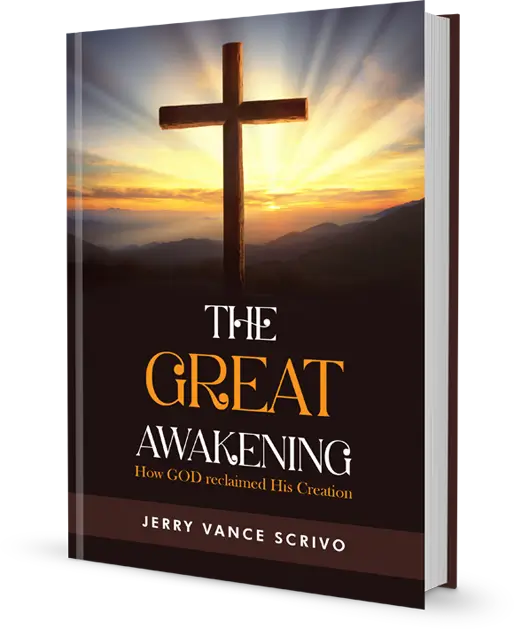
One of the most compelling Christian church history books to explore this era is The Great Awakening: How GOD Reclaimed His Creation by Jerry Scrivo.
What makes this work unique is its deeper lens into the cosmic conflict underlying historical events—something traditional historians often overlook.
A Cosmic Battle Behind Historical Events
Scrivo argues that:
- The improbable rise of Christianity cannot be explained by human factors alone
- God’s intervention empowered fearful, untrained disciples
- The resurrection ignited a spiritual battle between good and evil
- The first century served as the opening chapter in a much larger war between God and Satan
Comparing Historians and Theologians
While many historians focus on:
- Cultural pressures
- Roman politics
- Social dynamics
- Jewish identity
Scrivo brings together:
- Historical data
- Theological insight
- Spiritual warfare interpretation
This combined view offers a fuller understanding of how Christianity survived—and triumphed—against overwhelming odds.
The Rise of Christianity: Was It Historically Possible?
Even secular scholars agree:
The success of Christianity in the first century makes little sense purely from a human perspective.
Human Challenges Were Overwhelming
- The disciples were untrained
- Christianity had no political backing
- Judaism and Rome opposed its claims
- Travel and communication were difficult
- Believers were persecuted or socially ostracized
And yet Christianity didn’t just survive—it exploded.
Why Many Scholars Still Find It Remarkable
Historians point to:
- The power of Christian community
- The moral appeal of the message
- The credibility of eyewitness testimony
- The courage of early believers
Theologians point to:
- Divine guidance
- Miracles
- The compelling truth of the resurrection
Scrivo’s book argues that the extraordinary growth of Christianity is best understood as God working through human weakness to reclaim His creation.
Further Reading: Best Christian Church History Books to Explore
If you want to go deeper into the history of the Christian Church, consider the following:
1. The Great Awakening: How GOD Reclaimed His Creation
A unique and accessible exploration of the cosmic battle shaping the first 100 years of Christianity.
2. The First 100 Years of Christianity – Udo Schnelle
Academic, detailed overview of early church development.
3. The Birth of the Church – Ivor J. Davidson
A clear historical narrative for general readers.
4. The Early Church – Henry Chadwick
A classic introduction by one of the world’s leading church historians.
5. Christianity at the Crossroads – Michael J. Kruger
Focuses on identity and doctrine between AD 70 and 140.
These resources complement the unique perspective offered by The Great Awakening, balancing historical scholarship with theological insight.
Conclusion: What Modern Christians Can Learn from the Early Church
The life of Christians in the early church continues to inspire believers today. Their experience offers three enduring lessons:
1. Perseverance Under Pressure
Faith grows strongest when tested.
2. Community Above Individualism
The church flourished because believers supported, protected, and taught one another.
3. Confidence in God’s Intervention
The improbable rise of Christianity confirms that God works through ordinary people to accomplish extraordinary things.
The first century Christian church was more than a historical community—it was the opening act in a divine drama that continues to unfold. Understanding this history deepens our faith and equips us to carry forward the same mission with the same courage.